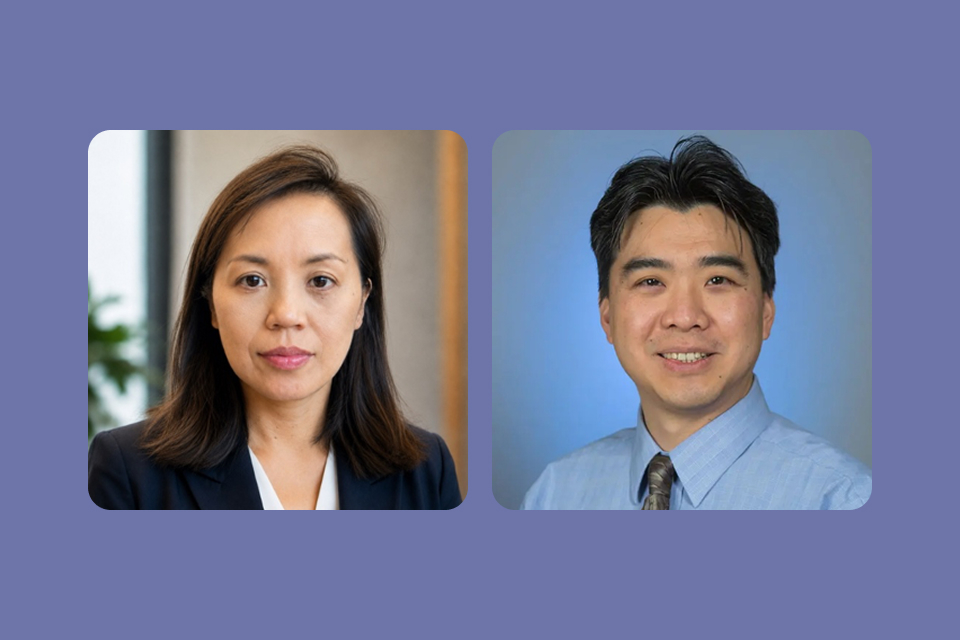
FSASD consortium member Raymond Wang standing in his office.

Our goal is to change the course of disease for patients with FSASD

What we do

Our R&D strategy focuses on four key pillars

Drive drug discovery

We are translating scientific breakthroughs into therapeutics that can address the symptoms of FSASD and fundamentally alter the course of disease progression

Support fundamental science

We are establishing powerful new research tools including cell lines, animal models, analytical methods to enable scientists to understand the key drivers behind the disease

Enable clinical translation

We are establishing networks of leading physicians who can conduct clinical studies on patients while supporting studies into the natural history of disease progression

Improve diagnosis

We aim to uncover the many undiagnosed patients living with FSASD while enabling doctors to more rapidly diagnose new cases

GRANT

STAR's 2025 Translational Science Awardees

In 2025, thanks to donations from the international STAR community, two projects were funded to support translational research evaluating candidate therapeutics in disease relevant pre-clinical models of Free Sialic AcidStorage Disorder (FSASD). These one year projects will be complete in Fall 2026, with findings shared here.

Grant

Grantee Highlights

FSASD Consortium

Driving the discovery of new Salla therapies

The FSASD Consortium comprises approximately 40 researchers from over 20 leading institutions around the world dedicated to bringing new therapies to patients with free sialic acid disorders.  The Consortium meets quarterly to discuss the latest research breakthroughs and how these can be applied to medicine development.

Members of the STAR Foundation next to a TV screen showing a video call with more foundation members.