STAR Foundation 2026 Science Campaign Award Announcement
The Salla Treatment and Research Foundation (STAR) is delighted to announce the recipients of the 2026 Science Campaign
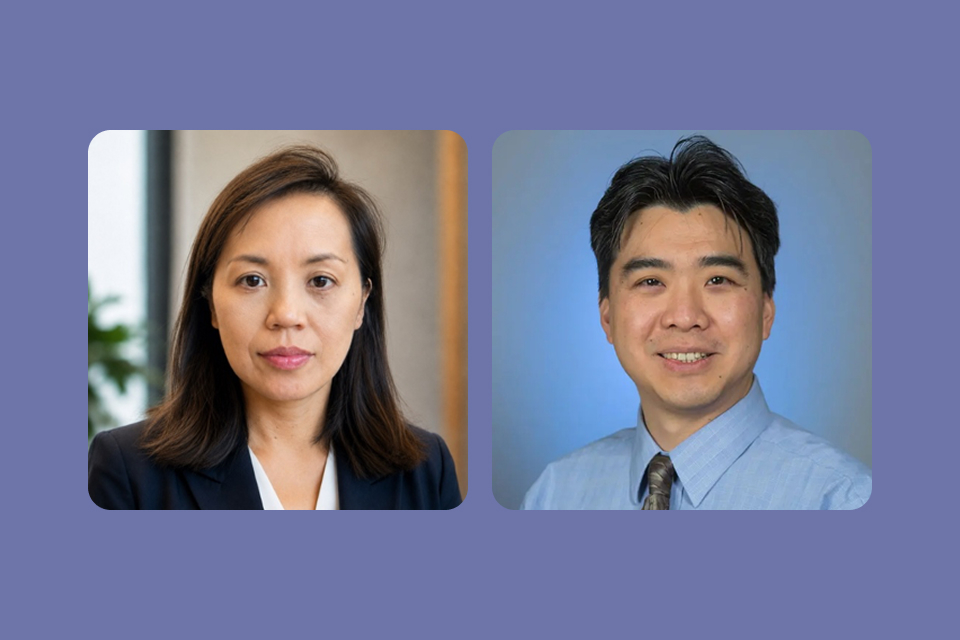
This grant initiative was designed to support the development of geneediting approaches for the treatment of Free Sialic Acid Storage Disorders(FSASDs). Dr.Malicdan and Dr. Wang’s joint research project, which is six months in length, is directly funded by our generous global donor community and has been reviewed for scientific merit by the STAR Foundation Scientific Advisory Board and approved for funding by STAR’s Board of Directors.
Lead researchers: May Christine Malicdan, MD/PhD and Raymond Wang, MD
Grantee organizations: National Human Genome Research Institute (National Institutes of Health, Bethesda, Maryland, USA) and Rady Children’s Health / Children’s Hospital of Orange County (Orange, California, USA)
Grant title: “CNS-Directed Base Editing for Correction of the CommonSLC17A5 Mutation in Free Sialic Acid Storage Disorder”
Award amount: $50,000
Length of project: 6 months
Project summary: Free Sialic Acid Storage Disorder (FSASD) is a rare disease caused by a faulty gene called SLC17A5. This gene problem leads to the buildup of a substance called sialic acid, especially in the brain. Children affected by FSASD often develop balance problems, difficulty walking, seizures, and other serious neurologic issues. Right now, there is no cure for FSASD.
Our research team has developed a new technology that may help. We use a special gene editing tool — called a base editor — that can fix the mistake in the SLC17A5 gene. We package this tool into tiny carriers called AAV9 vectors that can travel into the brain. By delivering these carriers to baby mice with FSASD-like disease, we hope to repair the gene, lower the harmful sialic acid buildup, and prevent brain damage.
We have already shown that this gene editing works in cells from FSASD patients that have been grown in the lab. Now, with funding from the STAR Foundation, we want to take the next step and try it in a living mouse model of FSASD. If successful, this could bring us much closer to a new treatment for children with FSASD.
Our project will provide important information about whether this gene therapy approach is safe and effective enough to move toward clinical trials in people. We are excited to partner with the FSASD community to push this research forward.